







By Logan Thiessen, Staff Writer
Your local surfer packs their car with their board, towel and coffee in their cupholder. They start up their car, get to the access and cross the beach road, but as they cross the dune, they exclaim, “No waves?!”
As a Kill Devil Hills Lifeguard, I feel decently qualified to talk about the surf conditions, taking into account that I get paid to watch the ocean for seven hours a day.
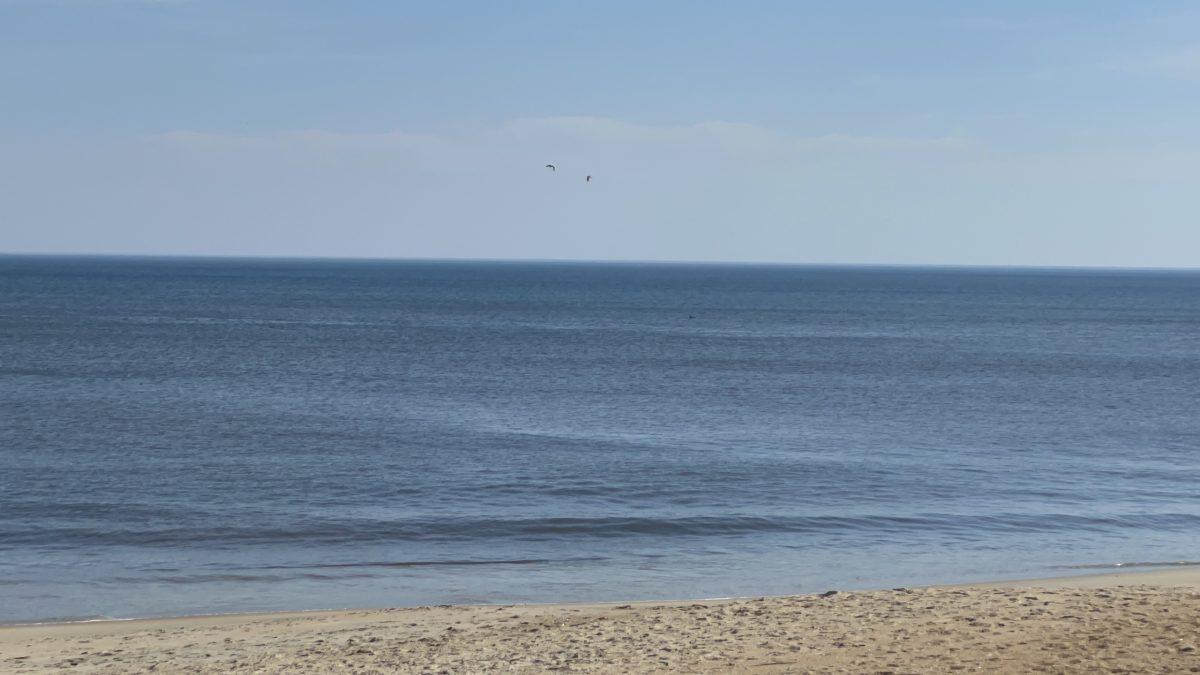
Most years I would sit on the stand, yearning to be off work and paddle out, but this year was very different. Instead, I was looking out at the water sarcastically thinking, “Wow, the waves are fantastic!”
Throughout the summer season, I would watch people run out into the water with their boards and then sit there, waiting.
It wasn’t all bad, though. With the small surf, the beach is a lot more inviting to the less experienced swimmer or surfer.
I would see people hop on their stand up paddle boards, catamarans or kayaks, walking up and down the beach all day, enjoying the calm water.
Tourists would take their inflatable rafts out and take a nap out on the water, waking up to me tapping them on the shoulder telling them they were half a mile out.
As the season came to an end, I got a little bit of hope. After waiting the whole summer, locals finally got some big surf that came at a time that was very necessary.
Morale was very low among most surfers and the swell was the exact thing needed to bring it back up. According to Surfline, during the week of Sept. 12, the surf hit a peak of up to eight feet, but some of the local surfers were saying it was up to about 10 feet. More experienced surfers were stoked, but for the more casual surfers, the conditions were not celebrated.
When the surf is that high, the beaches are almost completely flooded during high tide. This means that at times people have to stay off the beach entirely, unless they intend on getting in the water.
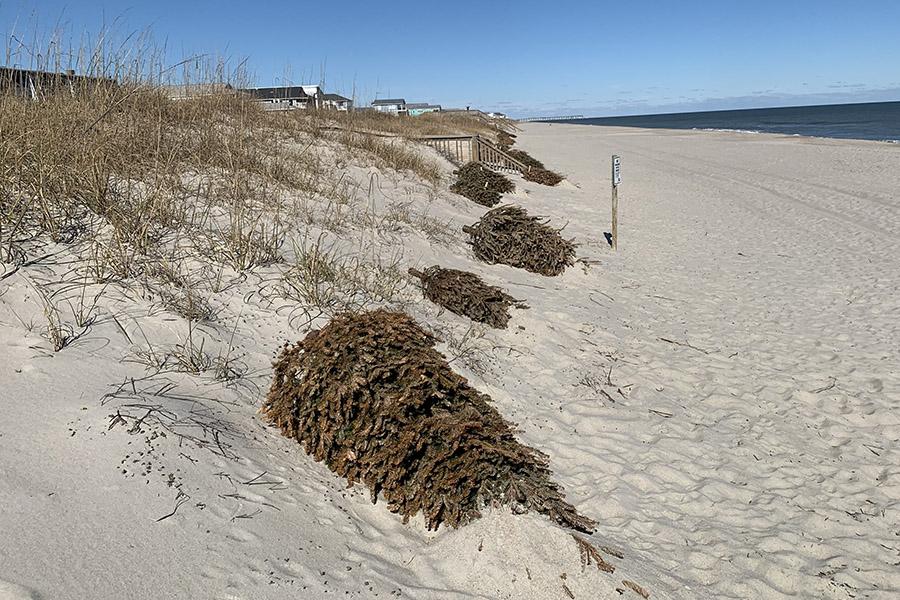
It’s really strange that the beaches were flooded from the tall surf, even after we spent most of the summer with a metal pipe across the majority of Kill Devil Hills beaches, dumping sand out to extend our beaches to prevent exactly that from happening.
Outer Banks nourishment began in May 2022 in Avon and is continuing in November 2022 in Duck. It can affect the compression of the surf zone, make sandbars nonexistent and affect the habitats of birds and fishes.
But, even after a summer of renourishment and terrible surf, all we can do is pray that mother nature works her magic.
Senior Logan Thiessen can be reached at 23thiessenlo14@daretolearn.org.