








By Maggie McNinch, Staff Writer
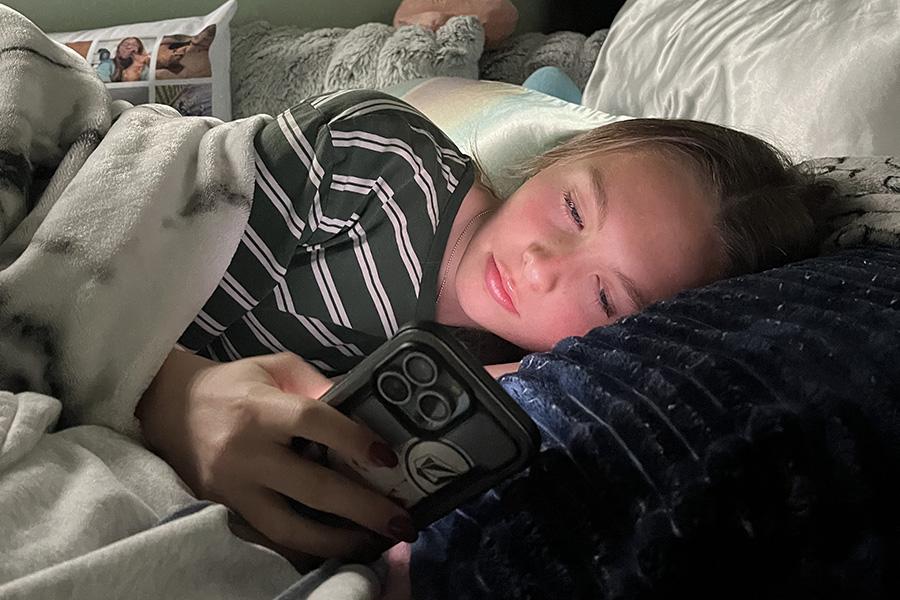
In addition to feelings of uncertainty and higher stress levels caused by the global outbreak, spending the majority of time at home can take a serious toll on a person’s mental health. This nightmarish world people currently are living in is unprecedented, resulting in an increase in mental health problems across the globe as people are unaware of the mechanisms for coping.
“We are living in a state of emergency and we’ve never really lived in that before, so people aren’t used to it and it turns the volume up on all kinds of issues,” local therapist Dr. Jim Layton said.
The American Psychological Association (APA) reports that social isolation – especially during the pandemic – comes with a number of health risks, including poor sleep, depressive symptoms and impaired executive functioning. Specifically, diminished executive functioning will result in difficulty focusing, managing emotions and following directions.
The isolation imposed by social distancing frequently leaves people feeling cut off from the rest of society and as though they have no control over the situation since they are unable to perform their usual duties.
“I feel more lonely and irritated not being able to do anything,” said junior Illiana Jauregui, voicing an opinion shared by many.
Layton advises students to focus on awareness during this time period: “You can make plans for the future, but it’s really important to be involved in your life today. If you’re involved in your life today and making the decisions you need to make today, tomorrow will take care of itself.”
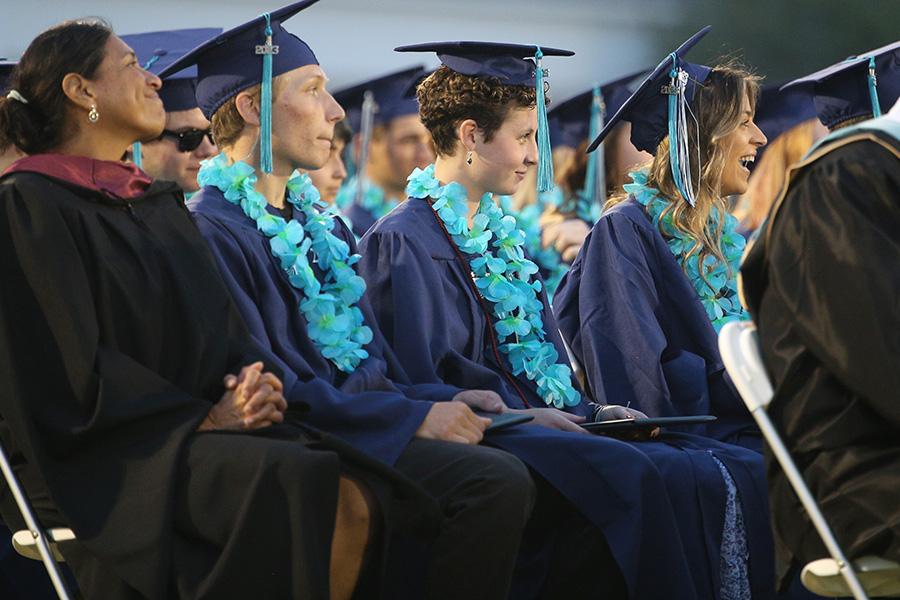
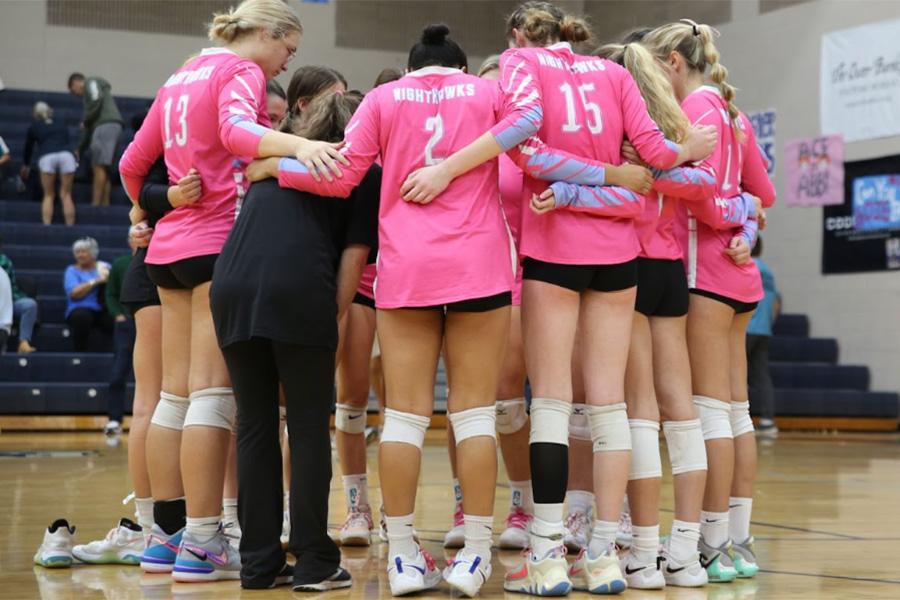
While it’s important to stay positive and remain aware, it is incredibly easy for students to look back and think about what they’re missing. The last day of regular classes came March 13, and each week since has brought about new stressors: no sports, no prom, no spring musical, no return to school until August, no traditional graduation.
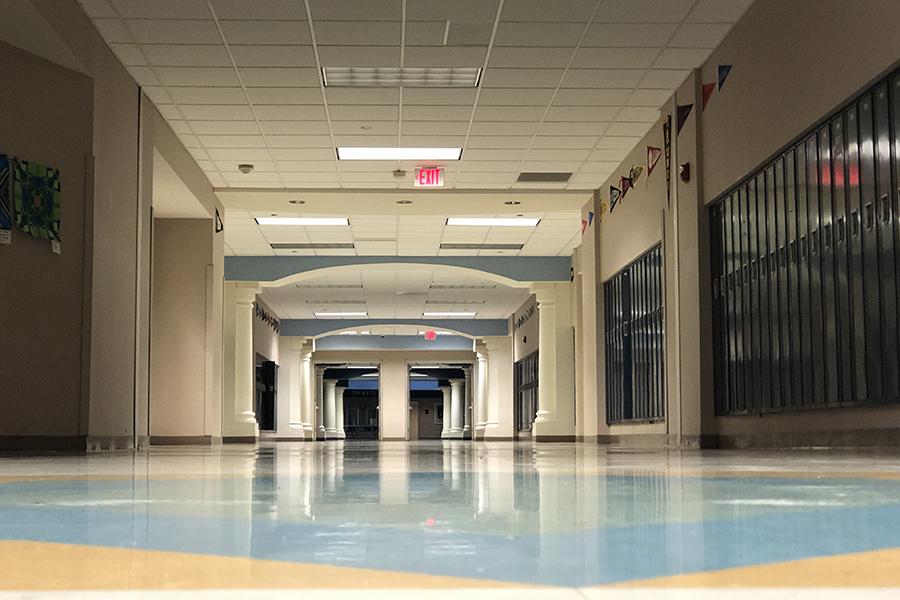
“I will never walk the halls of First Flight as a student again, which is so hard to imagine especially since it happened so suddenly and no one was prepared,” senior Alex Conley explained.
Although everyone was surprised by the speed and suddenness of the virus’ spread, officials took action they saw as necessary to “flatten the curve” and keep infection rates as low as possible. But the flip side of quarantine orders has been an increase in stress from isolation and uncertainty, including many people worrying about financial hardship as businesses closed.
That’s why healthcare workers also are coming up with creative ways to combat stress.
“We have a committee of team members from diverse backgrounds meeting regularly to discuss a culture we are calling ‘Building Resilience in Times of Uncertainty,’ ” said Kelly Divita, manager of the Office of Experience and Volunteer Services at The Outer Banks Hospital. “Overall, our team members are rising to the occasion and are proud to be able to support our community in this way.”
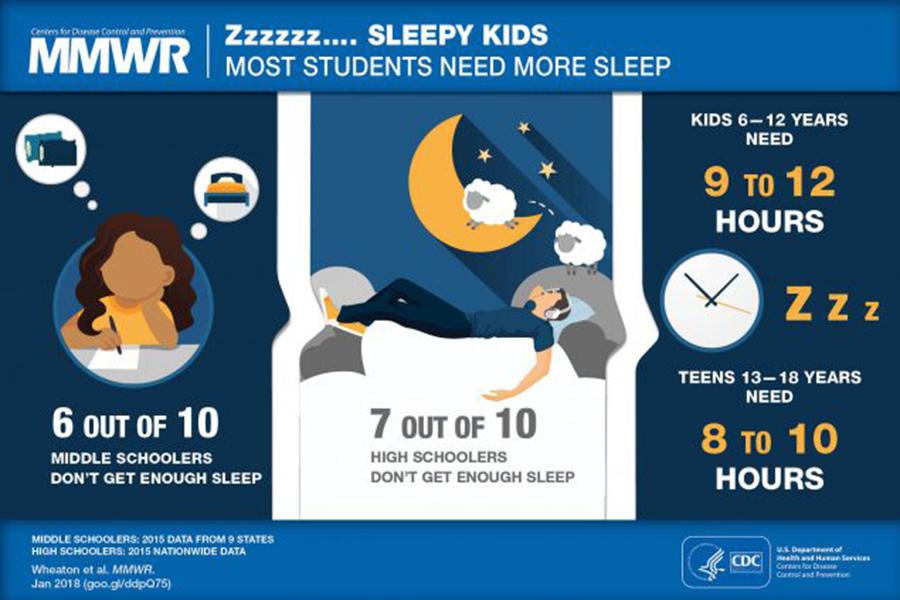
Divita recommends restful sleep and healthy eating habits as two important ways to decrease stress levels. She also shares that the hospital has resilience plans to support their patients, families and community as a whole.
While this knowledge can help put fears at ease, it is still easy to become more stressed out or anxious during this time of uncertainty. So it’s important to remember to take care of yourself and to try to make the best out of the way people have to live right now, Layton explained.
His final piece of wisdom is an important one: “To be living in isolation with your family, if done with a sense of compassion, will make the contact between each other more meaningful.”
Sophomore Maggie McNinch can be reached at 22mcninchma07@daretolearn.org.