





By Maren Ingram, Staff Writer
As the semester comes to an early end Friday, students and teachers across Dare County are reflecting on the 2019-2020 school year and how remote learning became our new normal.
For some high school students, this remote learning experience was nothing new, as many online classes are offered at First Flight. But for younger students, the transition from the classroom to Chromebooks may not have been as easy.
Leslie Wiles, who teaches sixth-grade science at First Flight Middle School, expressed that teaching her students online posed many challenges.
“In class, I would be able to listen to a student’s question and answer it immediately,” Wiles said. “Online, students have to wait for their teacher to respond, which can be frustrating for a student who is trying to complete an assignment but doesn’t understand the concept.”
And it’s not just learning remotely that’s been difficult, especially for Wiles’ sixth-graders.
“They have been expected to not only learn content, but to also navigate several teachers’ online learning platforms, whether the teacher uses Google Classroom, Canvas or both, as well as keeping track of emails and Powerschool,” Wiles said. “That’s a lot to ask of a sixth-grader.”
And for elementary-aged students, remote learning and navigating new technology could be even harder.
First Flight Elementary second-grade teacher Katherine McGee saw many challenges in teaching her young students online, but also praised them for trying their best despite the circumstances.
“I am thankful to all of my students for working so hard on their assignments, not giving up on the typing, and for continuing to encourage and help each other,” McGee said.
Although not in the classroom, McGee has kept her students engaged and connected through the platform Google Meet.
“I have loved our time together as a class during our Google Meets,” McGee said. “Each time we get together, my students have a fun activity or question to answer and it has been wonderful to be able to stay connected while at home!”
But despite more independence and a better understanding of technology, remote learning was difficult even for some high schoolers, especially when it came to challenging classes.
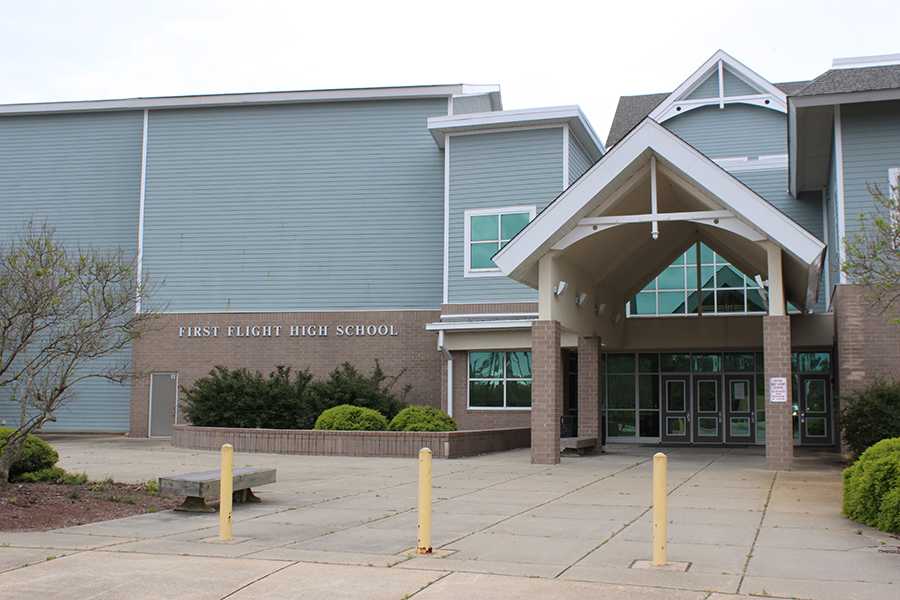
First Flight High School science teacher Andrew Thomas recognized that his students may not have been as motivated doing school work online as they were in the classroom.
“The biggest problem that I’ve had is reaching some students,” Thomas said. “It’s really difficult when you can’t see those students that really need daily encouragement or reminding.”
However, there may be some positives that came from remote learning, especially in the new grading system North Carolina adopted in response to school closures – that students could either take their grade as of March 13, keep working to improve it, or simply take a pass-fail option.
“I’ve had some surprises with a few students that really took advantage of virtual school to bring their grade up,” Thomas said. “It was a no-lose situation and they could have easily accepted the PC-19, but they have decided to bring their grade up by doing the work and take that numerical grade.”
Although still difficult, classes like English or Civics with texts to read and questions to answer can shift fairly easily to online. But some of the high school electives like theater, culinary or art that are more hands-on can’t easily be taught through remote learning.
Monica Penn teaches broadcasting, photography, debate and theater classes at the high school level and is no stranger to the difficulty involved in teaching a hands-on class through the computer.
“Having performance-based classes where I can side-coach and instruct in person when we are together to quickly moving to online really changed the way I was able to teach,” Penn said. “I think my instruction was nowhere near as beneficial as it would have been if we were together in person.”
Despite all the difficulties, Penn realizes that this remote learning experience could be beneficial when everyone is back in the classroom.
“Distance learning has made me more flexible and understanding and aware that each student has such different circumstances at home,” Penn said.
With a new remote learning experience comes new routines. Some First Flight students expressed that their routines were very different than what they used to be.
“My routine has been pretty easygoing,” sophomore Ben Tonnesen said. “I usually start my schoolwork around 10 o’clock and am done with it by noon.”
Freshman Noelani Santana took a different approach: “I usually work on a different class each day. So Monday would be for math, Tuesday for science, and so on.”
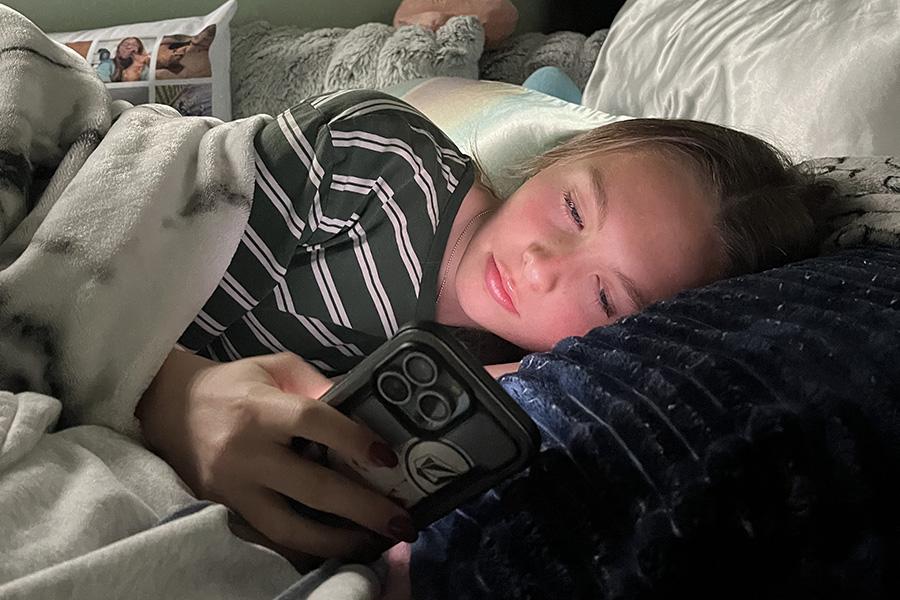
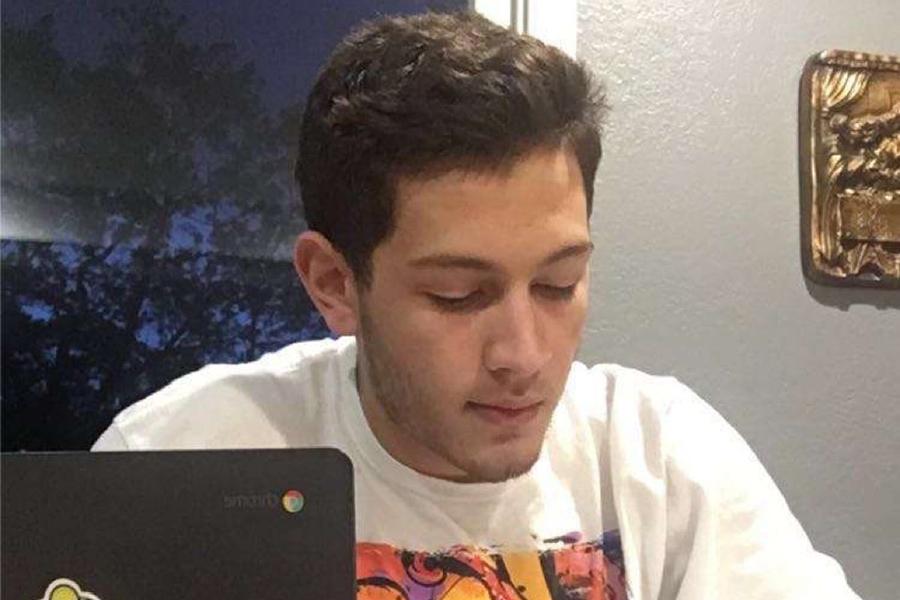
For some students, completing school work at home was more difficult than it sounds. Junior Johmar Gonzalez has five siblings, so his routine looked a little but different.
“I pretty much had a different schedule every day,” Gonzalez said. “I would always help out my mom with my siblings first and then do the stuff I was assigned later.”
Staying motivated also was an issue for some students while doing remote learning at home.
“I’m usually a pretty motivated person, but I haven’t been all that motivated to do work even for classes that I enjoy, so that’s been pretty weird,” Santana said.
Gonzalez agreed: “Learning online is very different, especially when it comes to procrastination. It’s easier to put stuff behind you when you don’t have a teacher telling you when something is due.”
As the length of time for remote learning stretched from two weeks to two months to the end of the academic year, DCS Superintendent Dr. John Farrelly praised the work done by students, teachers and parents as students kept up with classes despite the challenges.
“DCS teachers have done an amazing job in providing engaging instructional learning opportunities through our remote learning protocol,” Farrelly said. “While remote learning is not our preferred delivery of instruction, it is an opportunity to prevent academic slide and provide course completion at the high school level.”
Despite the changing world at the hands of COVID-19, there might be some good to come out of this pandemic.
“We have received very positive feedback from teachers, students and parents on our remote learning classrooms,” DCS Communications Director Keith Parker said. “Students appreciate the flexibility to work at their own pace, and parents are thankful that learning can continue even though school has been closed. In the long term, I think this is going to be a positive experience and will increase the importance of blended classrooms.”
Sophomore Maren Ingram can be reached at 22ingramma01@daretolearn.org.