














By Fiona Finchem, Opinions Editor
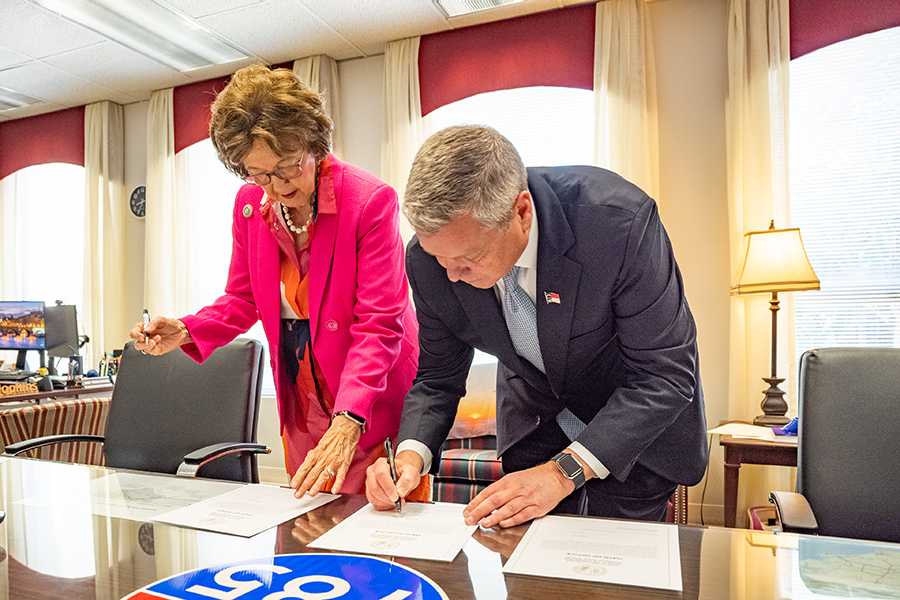
On Sept. 1, 2021, Texas Gov. Greg Abbott signed a bill into law banning abortion procedures as early as six weeks into a pregnancy.
As soon as cardiac activity is detectable, an abortion becomes illegal. This takes about six weeks – which is before many people know they are pregnant in the first place.
The new law is managed by normal, private civilians who can’t sue abortion patients, but can sue anyone who “aids and abets” with the abortion. This includes an Uber driver who drops a patient off at an abortion clinic or someone who provides financial assistance to a patient.
Anyone who successfully sues an abortion provider or someone who aids an abortion patient could receive up to $10,000. Texas has also created a website where anyone can submit anonymous tips about someone who they believe has had an abortion or is planning on having one.
Although the ban is limited to Texas at the moment, this newly instated law could potentially come with serious consequences that could reach far beyond Texas borders.
Roe v. Wade is a 1973 decision by the U.S. Supreme Court that made it possible for people to have legal abortions without extreme government interference.
This court decision is in jeopardy thanks to Texas’ new law, with many legal scholars worrying that other pro-life states are likely to follow. So, what does this mean for women all around America?
Among U.S. abortion patients, 75% are poor or low-income, including 49% who live below the federal poverty level. So now, unable to receive abortion care, these women living in poverty will have no choice but to provide for themselves and their child despite unforgiving circumstances.
If Roe v. Wade is overturned or more states follow in Texas’ footsteps, the healthcare and wellbeing of countless American women will be in jeopardy – but at what cost?
Women who cannot get an abortion in Texas or don’t have the resources to go out of state are more likely to attempt to end their pregnancies on their own, which is risky and can even result in the woman’s death. Instead of simply allowing Texas women to continue making their own decisions when it comes to their bodies, lawmakers have created a more dangerous situation – by eliminating access to safe and accessible abortions.
And then comes the question being asked by millions of American women: “Why should men be able to make decisions about women’s bodies?”
There is so much men don’t know and will never be capable of imagining. Do they know what it’s like to be raped and forced to carry the rapist’s child? Or to be living in such poor conditions that they don’t want to bring a child into this world, even if no part of them wants to have an abortion?
The law is extremely unfair, dangerous and strips away basic civil and constitutional rights. Women should be able to make their own decisions about their own bodies, without a male voice telling them what they can and cannot do.
Senior Fiona Finchem can be reached at 22finchemfi99@daretolearn.org.