












By Joey Krieg, Business Manager
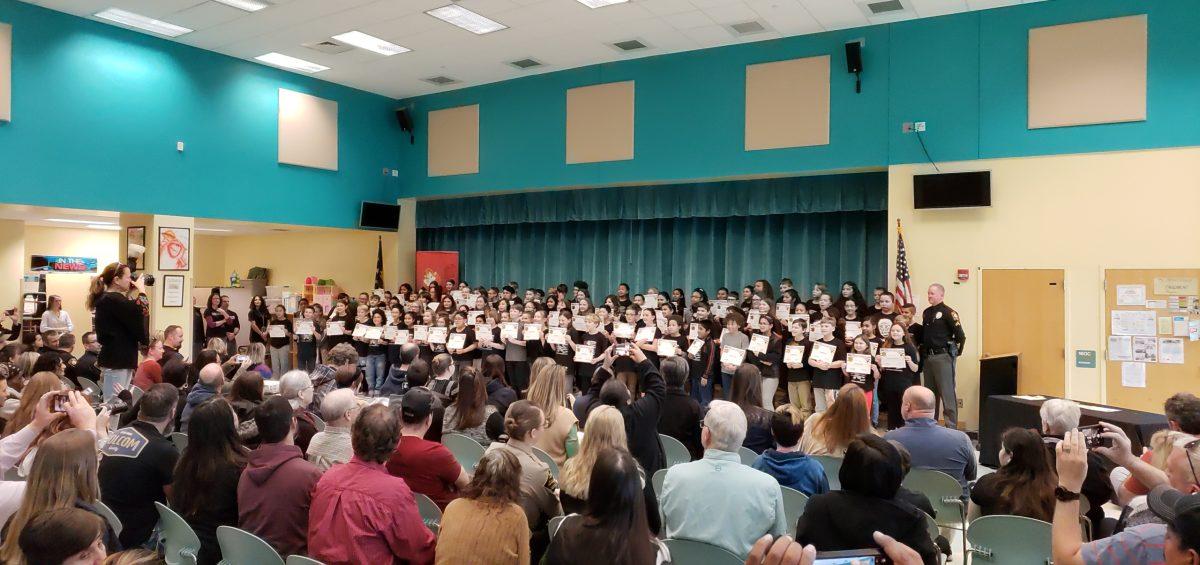
As a fifth-grader, learning to say no to drugs was easy. You were taught that some stranger in an ominous white van will offer you candy disguised as drugs, and to always say no. It wasn’t much of a daunting task for someone who just came in from recess running from all the girls with cooties.
Now, as a senior in high school, I haven’t heard about the once famous Drug Abuse Resistance Education program (DARE) in years. But maybe it’s for the best, since I don’t remember it making much of a difference.
For those who experience a lifestyle of sobriety, I’d imagine most of those people do not live that way because of DARE. Sobriety is most likely practiced because of values, family trauma, self-improvement, or a lack of interest. The guy in a lion costume – DARE’s mascot – is not an adolescent’s savior, by any means.
It’s crazy to think about all the different paths people take. We were all once in fifth grade getting our first lecture on drugs and learning how the harsh substances will ruin your life.
Then in middle school we continued to learn about drugs, but went more in-depth on each kind of drug and what it does to you. They urge you not to drink alcohol and vape.
But middle school was filled with box vapes and Juuls, which were thankfully relatively monitored. It felt like once a week someone you knew got caught with a vape at home.
I think vapes started out as something that looked cool. People liked blowing smoke out of their mouths and wanted to learn how to do vape tricks which, thanks to YouTube, people got pretty good at.
When I say YouTube, I specifically mean MattySmokes.
“Everyone was talking about him and if someone said something about him I wanted to know what they were talking about,” one student recalled.
Matty would test out all the vapes on the market at the time and give a review and would also give tips on how to do certain tricks in his videos.
It was all harmless – until you fast-forward a few years later and students are still addicted to nicotine. This all stemmed from vape tricks and wanting to be cool in middle school.
According to AddictionCenter.org, nicotine has a grasp on nearly 50 million people in America. This is still the case when the information is clear that it is detrimental to our health. When it comes to quitting, it isn’t easy with withdrawal symptoms such as anxiety, fatigue, sweating, loss of appetite, headaches and the inability to sit still.
“I’d rather be addicted than try to quit,” another student said. “I hate how I feel when I try to quit.”
Not only is it very addictive, it’s also expensive. One pod from an Alto vape is equivalent to a pack of cigarettes, and I personally know students who go through multiple pods per week.
“I go through about three a week,” another student said. “Three pods sounds a lot less harmful than three packs of cigarettes, but it’s quite the equivalent.”
Nicotine, alcohol, cocaine, heroin and methamphetamine are described as the top five most addictive substances, according to AddictionCenter.org.
And as you know, alcohol consumption under the age of 21 is illegal, but not all underaged people are great at following the rules.
Fortunately for humanity, alcohol is rarely the substance that kills people. It’s the secondary activities people do while drinking that gets them into trouble – like driving.
In 2018 alone, alcohol-related accidents were responsible for taking over 10,000 lives. Over a million people are given DUIs every year, whether it’s for alcohol or narcotics, according to the CDC.
Further trouble can ensue when people mix alcohol with other substances, such as pain killers.
Mixing alcohol with opioids like vicodin can lead to slowed breathing and a lowered pulse that could result in unconsciousness, or even worse, death.
Alcohol mixed with depressants, on the other hand, such as xanax or valium, can lead to dizziness, stumbling, memory loss and – last but certainly the most embarrassing – loss of sphincter control. Google it.
Still, narcotics are where the real problem lies. People will be prescribed all types of painkillers after suffering an injury or following a surgery. Friends of mine have been given Oxycodone for pain following wisdom teeth removal, which isn’t an issue until the bottle is empty – and not just because of tooth pain.
The problem with narcotics is the addiction that comes with it. According to the CDC, millions of Americans suffer from opioid addiction.
On the bright side, addiction is treatable, but beating addiction is much easier if you realize you have a problem and are willing to get help. In most cases, that is the hardest part.
Another dangerous aspect of drugs is who you’re buying them from. You may know the person who sold it to you, but what about who they bought it from? It can go back through multiple people and you most likely have no clue where it originated. Even if you buy drugs from your best friend, you still don’t know where they may have originated, or if they’ve been laced with even more dangerous substances like fentanyl.
People take pills they think are safe because they got it from a familiar face. The more pills they take, the less they think about the consequences. They just want to feel the effects again.
DARE’s friendly lion’s fearful excaliminations about strangers in white vans may not have turned out to be substantial, but the grasp drugs has on adolescence is.
Drug addictions can block out your common sense, and that’s when people get hurt. If you have a problem with substance abuse, finding help is easier than you might think. Located in Kitty Hawk, Changing Tides, an alcohol and drug rehabilitation center, has outstanding reviews and according to Google Reviews, has helped many individuals overcome addiction. Substance Abuse and Mental Health Services Administration hotline number is 1-800-662-4357.
Senior Joey Krieg can be reached at 22kriegjo52@daretolearn.org